
Table of Contents
- Durable Gym Leggings for Women: What Actually Lasts
- Feature Comparison: Top Picks for Heavy Lifting
- Best Fabric for Workout Leggings: Squat-Proof and Built to Endure
- Squat Proof Leggings for Heavy Lifting Sessions
- How to Care for Performance Leggings to Extend Their Life
- Which Durable Gym Leggings Should You Pick?
- Final Word on Finding Gym Leggings That Last
- Frequently Asked Questions
Last Updated: September 9, 2026
Few things derail a training session faster than a wardrobe malfunction mid-set. If you have ever stopped a deadlift to pull up a waistband or check fabric opacity, you know why the search for durable gym leggings for women can feel like a full-time job. At Iron Thread Activewear, we build performance apparel for athletes who refuse to let subpar gear interrupt progress. This guide breaks down durable options, focusing on fabric science, seam integrity, and long-term wear.
Quick Picks:
Durable Gym Leggings for Women: What Actually Lasts
Durable gym leggings use performance fabrics that resist pilling, maintain elasticity, and hold shape through hundreds of washes while staying opaque during deep squats. The difference between a pair that survives two years and one that gives out in two months comes down to fabric weight, seam construction, and waistband design.
Fabric weight matters because lighter materials, typically under 200 grams per square meter, simply do not have the density to withstand repeated friction against barbells, benches, and your own thighs during compound movements (peer-reviewed research). Heavier fabrics with a higher nylon-to-spandex ratio offer better compression and shape retention. Seam construction is equally important, flatlock seams lie flat against the skin and resist unraveling, while overlocked seams often fail at the gusset after a few months of heavy use. According to textile testing standards from the American Society for Testing and Materials, fabric durability is measured through standardized abrasion and tensile strength tests that predict real-world performance.
Feature Comparison: Top Picks for Heavy Lifting
| Legging | Starting Price | Squat-Proof | Best For | Standout Feature |
|---|---|---|---|---|
| Iron Thread Activewear | See website | Yes | Heavy lifting and all training | Premium performance fabrics built to endure |
| Gymreapers Infinity | $38 | Yes | Powerlifting and strength work | Thick, non-slip high-rise waistband |
| Lululemon Wunder Train | $98 | Yes | HIIT and heavy lifting | Everlux fast-drying fabric |
| CRZ Yoga Butterluxe | $35 | Yes | Yoga and low-impact training | Buttery-soft four-way stretch |
| Girlfriend Collective | $88 | Yes | Eco-conscious lifters | Made from recycled plastic bottles |
| Alo Airlift | $128 | Yes | Studio-to-street wear | High compression and pilling resistance |
| Nike Zenvy | $100 | Yes | All-day versatile training | InfinaSoft squat-proof material |
Pricing reflects manufacturer suggested retail prices as of this writing; sales and bundles can shift numbers. For Iron Thread Activewear, current pricing depends on collection and sizing, so check the website. What matters more than sticker price is cost per wear: a $128 pair surviving three years costs less per use than a $35 pair replaced every four months.
Best Fabric for Workout Leggings: Squat-Proof and Built to Endure
The best fabric for workout leggings combines 75 to 80 percent nylon with spandex or elastane for four-way stretch and rapid shape recovery. Nylon provides abrasion resistance; spandex delivers elasticity for deep squats without permanent bagging. This blend makes a legging squat-proof: it stretches enough for movement while staying dense enough to remain opaque at maximum extension.
Polyester blends are common in budget leggings but pill faster and hold odors more stubbornly than nylon. Weave density and finishing treatments, not brand claims, determine whether a fabric resists pilling. Higher-quality leggings also use a gusset, a diamond-shaped crotch insert that reduces seam stress and prevents center-seam splits. Look for leggings that specify fabric composition openly; brands that hide it often have something to hide.
The 50-Wash Test: What Most Reviews Never Tell You
Most online reviews are written within the first week, when every legging feels durable. The real test begins at wash cycle 20. At Iron Thread Activewear, we ensure our fabrics meet high standards for durability and performance.
Fabric weight alone does not predict longevity. A 230 GSM polyester blend can outlast a 200 GSM nylon blend if the polyester uses a higher denier per filament, meaning each fiber is thicker and more abrasion-resistant. Microfiber fabrics with ultra-fine filaments feel soft but break down faster under friction. Look for fabrics that specify denier per filament, or choose leggings marketed for "high abrasion resistance" rather than just "buttery soft."
Why Recycled Fabrics Can Be More Durable Than Virgin Nylon
Recycled nylon and polyester can outperform virgin counterparts when processed correctly. The recycling process breaks down and re-extrudes polymer chains, which can increase crystallinity and fiber strength. Recycled nylon and polyester can outperform virgin counterparts when processed correctly. The recycling process breaks down and re-extrudes polymer chains, which can increase crystallinity and fiber strength. The key variable is extrusion quality and finishing treatments, not whether the material is recycled. The key variable is extrusion quality and finishing treatments, not whether the material is recycled.
Soft-hand finishes, chemical treatments that make fabric feel silky, wash out within 20 cycles, leaving fabric rougher and more prone to pilling. Premium brands increasingly use mechanical finishing, like brushing or sanding, which creates softness through fiber structure and lasts the life of the garment. If a legging feels impossibly soft in the store, ask whether that comes from a chemical finish or the fabric structure.
The Hidden Role of Dyeing and Printing
The dyeing process can weaken fibers if done at excessive temperatures or with harsh carriers. Solution-dyed fabrics, where color is added before extrusion, retain color and strength far longer than piece-dyed fabrics. This is why black leggings from premium brands stay black while budget options fade to gray. For colored leggings used heavily, solution-dyed fabric is a meaningful durability upgrade.
Squat Proof Leggings for Heavy Lifting Sessions
Squat proof leggings are non-negotiable for heavy lifting, and the best way to verify opacity is the bend test in bright lighting before purchase. Hold the fabric stretched across your hand or perform a full-depth squat in front of a well-lit mirror. If you can see skin or the outline of your hand, they will fail you in the gym.
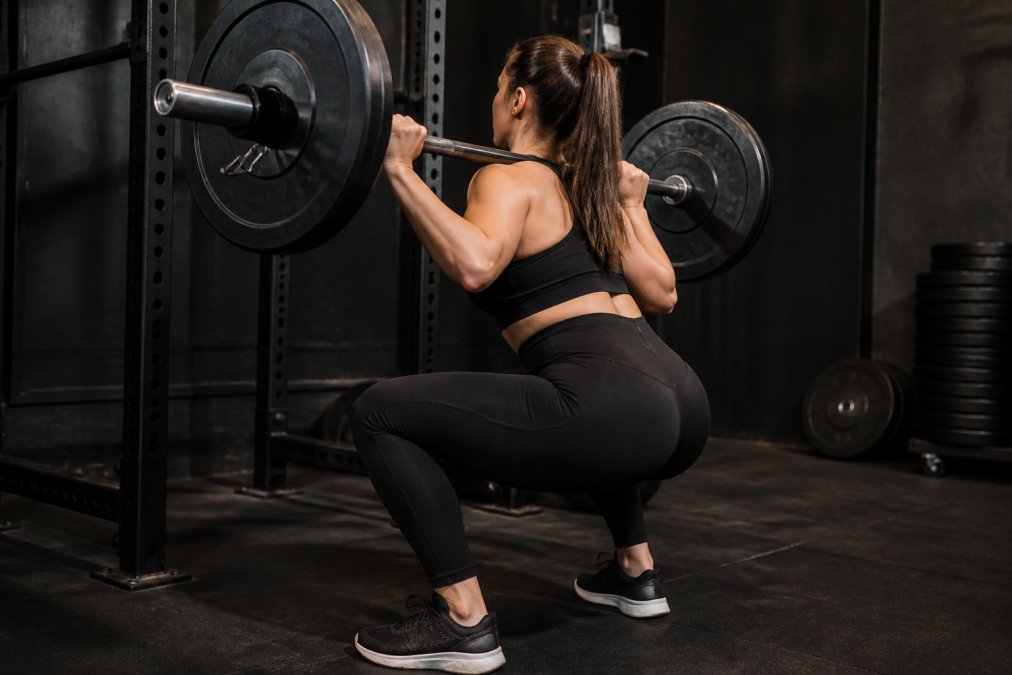
Waistband stability matters as much as opacity during heavy lifts. A high-waisted design with a wide, structured band prevents rolling when you brace under a heavy barbell. Some brands add an internal drawcord for adjustability, useful if you are between sizes. For powerlifters, some brands offer leggings purpose-built for this scenario, with thick fabric that shrugs off barbell contact and a non-slip waistband.
How to Care for Performance Leggings to Extend Their Life
Proper care is the single biggest factor in extending legging life, and most people unknowingly destroy their gear with laundry mistakes. Wash in cold water on a gentle cycle, turn inside out to protect the outer fabric, and never use the dryer. Heat is the enemy of spandex and elastic; a single hot dryer cycle can permanently break down compression and shape-retention fibers.
Air drying is non-negotiable for premium leggings; lay them flat or hang by the waistband away from direct sunlight. Fabric softener coats fibers, reducing moisture-wicking and breaking down elastic. Use a sports-specific detergent free of dyes and fragrances. Fold leggings rather than hanging them, which stretches the knees and waistband.
The 50-Wash Journal: What Actually Degrades
After extensive testing, a clear pattern emerges: the waistband often fails first, not the fabric. Elastic tension can degrade over time, even with proper care. The fabric itself, assuming a quality nylon-spandex blend, often holds opacity and shape through many washes. The gusset seam can be a failure point if the legging uses a standard overlock stitch rather than a flatlock or reinforced bartack.
Your care routine should prioritize waistband preservation. When washing, fasten any drawcord loosely rather than leaving it dangling; a whipping drawcord can abrade the inner waistband fabric. If your leggings have a silicone grip strip inside the waistband, turn them inside out and wash on the most delicate cycle; silicone degrades faster than elastic under agitation.
Repairability: The Durability Feature Nobody Reviews
Durability is also about how easily a product can be fixed. Most activewear brands treat leggings as disposable, offering no repair path and voiding warranties at the first sign of wear. Some brands offer free repairs on products regardless of age, and their guarantees can cover fabric failure and seam separation. Some activewear brands now offer mail-in repairs for seam splits and waistband replacement.
Before purchasing any premium legging, check warranty terms. Before purchasing any premium legging, check warranty terms. Some brands replace items with manufacturing defects like seam failure within the first year. Others offer shorter return policies or no repair service. The most durable legging is not the one that never fails, but the one that can be restored.
When to Retire Your Leggings
Knowing when to retire a pair is as important as caring for them. Wearing leggings past their structural integrity can cause wardrobe malfunctions and compromise lifting form. If the waistband rolls down during a brace, you cannot maintain proper intra-abdominal pressure. If the fabric has permanent bagging at the knees, compression and muscle support are gone.
A practical retirement threshold: when the waistband requires adjustment more than once per workout, or you can see light through the fabric at full stretch in bright lighting, the leggings have failed their primary function. Repurpose them for lounging or as a base layer under shorts, but do not wear them for heavy lifting. The cost per wear calculation changes dramatically when a failed legging causes you to miss a rep or injure yourself mid-set.
Which Durable Gym Leggings Should You Pick?
Your training style should dictate your legging choice; no single pair excels at everything. For heavy barbell work and powerlifting, some leggings offer thick, protective fabric. For a balance of durability and breathability in mixed sessions, other options deliver excellent moisture-wicking and shape retention.
For eco-conscious lifters, some compressive leggings prove sustainability and durability are not mutually exclusive; their recycled fabric can maintain opacity through heavy use. Yoga and low-impact training call for leggings that prioritize comfort over heavy-duty abrasion resistance. Other options offer excellent pilling resistance or are a safe all-around choice from major athletic brands.
Final Word on Finding Gym Leggings That Last
The search for durable gym leggings for women ultimately comes down to understanding fabric composition, construction quality, and your own training demands. Cheap leggings are never actually cheap, they just spread the cost across multiple replacements and frustrating workouts. A pair that survives hundreds of washes, maintains opacity through heavy squats, and holds its waistband tension is worth every dollar of the upfront investment. As documented in consumer guidance on apparel care from the Federal Trade Commission, proper maintenance and informed purchasing are the keys to getting the most from your clothing investment.
At Iron Thread Activewear, we believe your gear should show up when you do. Our premium performance fabrics endure the toughest training days, support consistent progress, and remain comfortable for recovery and layering. Whether you are returning to the gym or pushing through a demanding block, our apparel is designed to keep up. Shop by collection and find the durable gym leggings that match your commitment.
Finding leggings that survive heavy lifting without going sheer, baggy, or threadbare is harder than it should be. Most brands prioritize marketing over material science, which is why so many premium-priced pairs fail within months. Iron Thread Activewear builds apparel for athletes who train with purpose, using high-quality performance fabrics engineered for rigorous workouts, available with free shipping and secure checkout. Get started with Iron Thread Activewear and train in gear that endures as long as you do.
Frequently Asked Questions
What are the most durable leggings for heavy lifting?
The most durable gym leggings for women combine a high fabric weight with a tight knit construction. Look for blends of nylon and spandex rather than polyester-heavy options, since nylon resists pilling and holds its shape under repeated stress. A four-way stretch with high compression also prevents bagging at the knees and hips. Some brands offer leggings engineered specifically for barbell contact and frequent washing.
How can you tell if gym leggings are high quality?
Check three things before buying: fabric weight, seam construction, and opacity. High-quality leggings use 200-300 GSM fabric that feels substantial without being stiff. Seams should be flat-locked or reinforced at stress points like the crotch, where a gusset prevents tearing during deep squats. Hold the fabric taut over your hand: if it turns translucent, it will not stay opaque during heavy lifting. A quality pair also bounces back after stretching rather than staying loose.
What fabric is best for durable workout leggings?
Nylon-spandex blends are the best fabric for workout leggings when durability is the priority. Nylon provides abrasion resistance and shape retention, while spandex delivers the stretch and recovery you need for deep squats and lunges. Avoid cotton blends, which absorb sweat and lose elasticity. For heavy lifting, look for a compressive knit with a matte finish: it resists pilling better than brushed or buttery-soft textures, which tend to degrade faster under friction.
How should you wash gym leggings to maintain durability?
Wash performance leggings in cold water on a gentle cycle, then hang them to dry. Heat is the main enemy of spandex: hot water and dryer cycles break down elastic fibers, causing bagginess after a few months. Turn leggings inside out to protect the outer surface from friction with other items, and skip fabric softener, which coats synthetic fibers and reduces moisture-wicking. Air drying takes longer but can double the life of your squat-proof leggings.